Overview
How do APIs work?
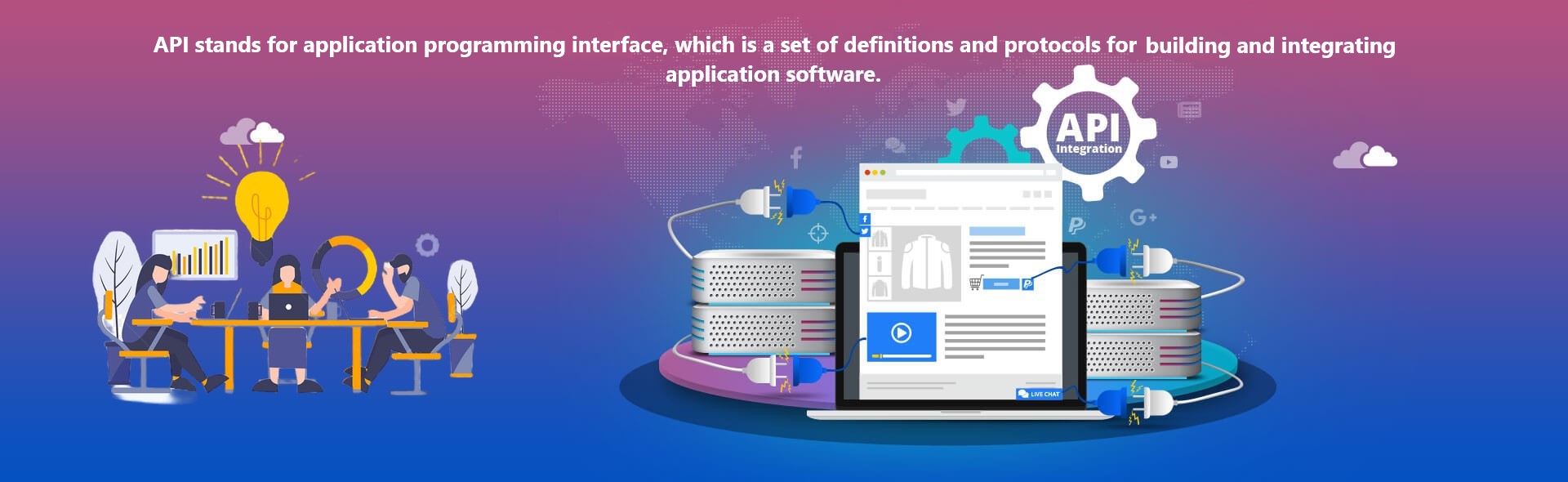
APIs let your product or service communicate with other products and services without having to know how they’re implemented. This can simplify app development, saving time and money. When you’re designing new tools and products—or managing existing ones—APIs give you flexibility; simplify design, administration, and use; and provide opportunities for innovation.
APIs are sometimes thought of as contracts, with documentation that represents an agreement between parties: If party 1 sends a remote request structured a particular way, this is how party 2’s software will respond.
Because APIs simplify how developers integrate new application components into an existing architecture, they help business and IT teams collaborate. Business needs often change quickly in response to ever shifting digital markets, where new competitors can change a whole industry with a new app. In order to stay competitive, it's important to support the rapid development and deployment of innovative services. Cloud-native application development is an identifiable way to increase development speed, and it relies on connecting a micro services application architecture through APIs.
APIs are a simplified way to connect your own infrastructure through cloud-native app development, but they also allow you to share your data with customers and other external users. Public APIs represent unique business value because they can simplify and expand how you connect with your partners, as well as potentially monetize your data (the Google Maps API is a popular example)